The Gorkey: Bold Design Meets Versatile Typography
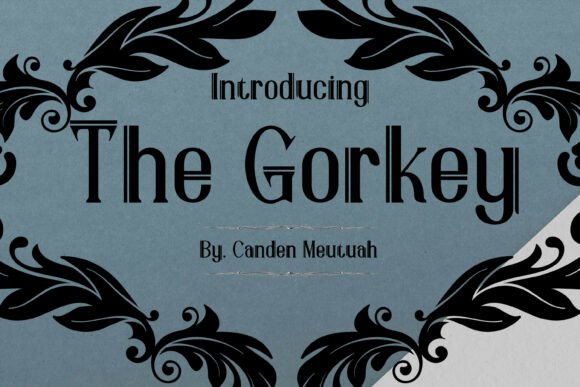
The Gorkey isn’t just another display font—it’s a design tool that bridges the gap between retro charm and modern minimalism. With its condensed structure, clean lines, and confident curves, The Gorkey brings a bold personality to any visual project. Whether you're crafting a logo, designing a poster, or developing brand assets, this font stands out with a distinctive visual voice that commands attention without overwhelming the message.
What Makes The Gorkey Unique?
The Gorkey combines strict proportions with expressive character. It’s a condensed font, which means it makes efficient use of space while maintaining strong legibility. The design balances sharp angles with subtle curves, giving it a dynamic presence that works across both print and digital formats.
What sets The Gorkey apart is its dual nature—it feels nostalgic yet contemporary. The uppercase and lowercase characters are carefully crafted to maintain visual harmony, and the font’s PUA encoding ensures full access to glyphs, swashes, and alternate characters. This means designers can easily customize their typography to suit specific moods or brand identities.
Creative Applications for The Gorkey
The Gorkey thrives in high-impact design contexts. Here are some creative directions you can explore:
- Logo design: Use The Gorkey to create a memorable brand mark that feels both confident and stylish. Its condensed shape works well for wordmarks or monogram logos where space is limited.
- Editorial titles: Whether for a magazine cover or a blog post header, The Gorkey adds visual weight and character without sacrificing readability.
- Album covers: The font’s bold personality makes it ideal for music branding, especially in genres like indie rock, synthwave, or electronic music where visual identity plays a strong role.
- Fashion branding: From clothing tags to packaging, The Gorkey’s clean yet expressive look aligns well with modern fashion aesthetics.
Who Can Benefit from Using The Gorkey?
Graphic designers will appreciate The Gorkey’s flexibility and stylistic depth. It’s a great option when a design needs a strong typographic presence without looking overly aggressive or cluttered.
Marketers and brand strategists can use The Gorkey to reinforce brand tone—especially for brands that want to project confidence, clarity, and a touch of individuality.
Bloggers and content creators can apply The Gorkey in social media graphics, thumbnails, or newsletter headers to elevate visual consistency and recognition.
Small business owners and entrepreneurs who handle their own branding materials will find The Gorkey easy to work with, especially when using design tools like Adobe Illustrator, Canva, or Figma.
How to Use The Gorkey Effectively
Typography is more than just choosing a font—it’s about context, contrast, and clarity. Here are some practical tips for getting the most out of The Gorkey:
- Pair it wisely: Because The Gorkey is bold and condensed, it pairs best with simpler, more open sans serif or serif fonts. This contrast helps maintain readability while creating visual interest.
- Use spacing strategically: Due to its condensed structure, avoid using it in long paragraphs. Instead, reserve it for headlines, titles, or short bursts of text where impact is key.
- Experiment with alternates: Thanks to its PUA encoding, The Gorkey gives you access to alternate characters and swashes. Try mixing in different letterforms to add subtle variation and personality.
- Test across platforms: If you're using The Gorkey in digital designs, preview it on multiple screens and devices to ensure legibility and visual consistency.
Project Ideas to Try with The Gorkey
If you're looking for ways to apply The Gorkey creatively, consider these project ideas:
- Retro-inspired event posters: Combine The Gorkey with vintage textures and bold color schemes for a throwback look with modern clarity.
- Minimalist packaging labels: Use the font in a clean layout with high contrast to create a sophisticated, boutique-style product label.
- Typography-based social media assets: Create branded quote graphics or promotional banners that highlight key messages using The Gorkey as the visual anchor.
- Editorial mastheads: For newsletters or zines, The Gorkey can serve as a striking header that sets the tone for your publication.
Designing for Different Audiences
The Gorkey’s personality can be adapted to suit different audiences. For example:
- Younger audiences: Pair it with vibrant colors, geometric shapes, and modern layouts to create energetic, youth-oriented designs.
- Professional or corporate settings: Use restrained color palettes and clean layouts to make The Gorkey feel polished and authoritative.
- Art and culture projects: Lean into the font’s expressive qualities by combining it with hand-drawn illustrations or experimental layouts.
Staying Consistent and Clear
While The Gorkey offers a lot of creative flexibility, it’s important to maintain typographic consistency. Here’s how to ensure your designs stay organized and effective:
- Stick to a limited font palette: Use The Gorkey as your primary display font and pair it with one or two supporting fonts for body text or subheadings.
- Define a clear hierarchy: Use font size, weight, and spacing to guide the viewer’s eye and emphasize key messages.
- Keep it legible: Even though The Gorkey looks great in bold, avoid using it in low-contrast settings or overly complex backgrounds that could make it hard to read.
Final Thoughts
The Gorkey is more than a stylish font—it’s a versatile tool for creators who want to communicate with clarity and confidence. Whether you're building a brand identity, designing a poster, or crafting digital assets, The Gorkey brings a unique combination of structure and flair to your work.
By understanding its strengths and applying it thoughtfully, you can elevate your designs while staying true to your message. Explore its alternates, experiment with layouts, and let The Gorkey help you make a bold impression—without sacrificing the clean, intentional design that resonates with audiences.