Honey Island Font: A Balanced Look at Its Uses and Appeal
Understanding Honey Island: A Modern Display Font
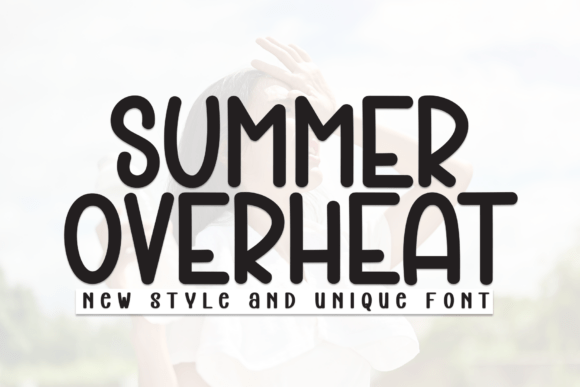
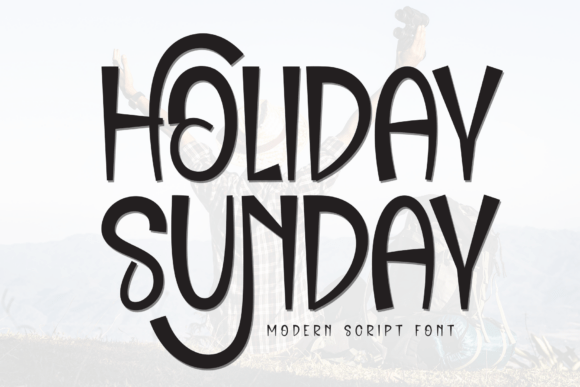
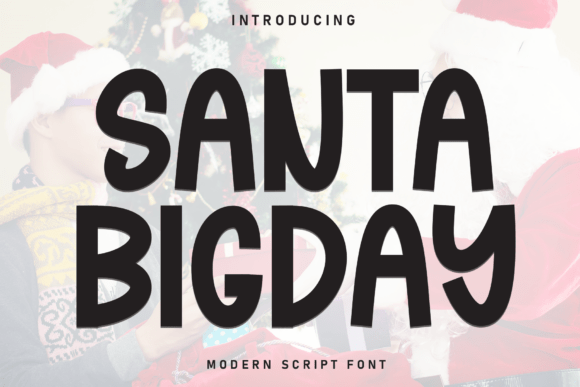
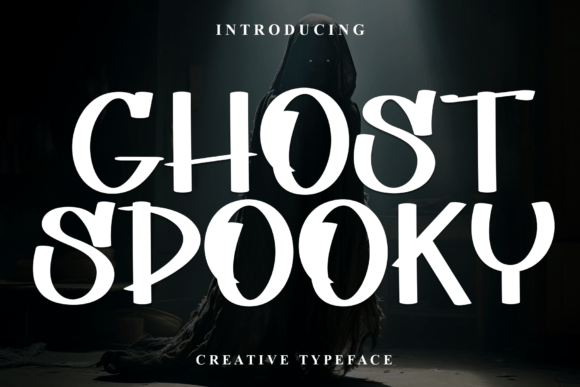
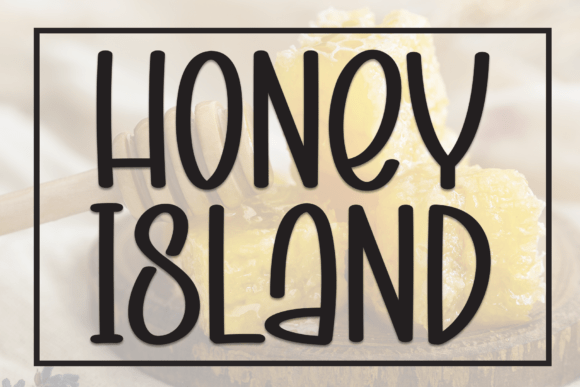
Honey Island is a casual and neat display font that blends simplicity with a warm, approachable aesthetic. Designed with clean lines, balanced letterforms, and subtly rounded edges, it captures the essence of modern handwritten typography while maintaining a polished finish. This font is often chosen for its ability to convey friendliness and clarity, making it a versatile option across a variety of design applications.
Unlike more formal typefaces, Honey Island is not intended for long blocks of text. Instead, it excels in short-form usage such as headlines, logos, packaging, and digital banners. Its design prioritizes legibility at a glance while retaining a sense of personality and warmth.
Why Designers Consider Honey Island
Designers and brand creators often seek fonts that align with the tone and message of a project. Honey Island appeals to those looking to convey approachability and modernity without sacrificing professionalism. It strikes a balance between casual and structured, making it a go-to for branding in industries like food, lifestyle, and wellness.
Its rounded edges and open spacing contribute to a clean, uncluttered appearance. This makes it especially effective in digital environments where readability on screens is essential. Additionally, its versatility allows it to be used across both print and digital media, adapting well to different color schemes and layout styles.
Benefits of Using Honey Island
- Warm and Inviting Aesthetic: The rounded forms and soft lines of Honey Island create a friendly, accessible tone.
- High Legibility at a Glance: Designed for visibility, it works well in headlines and signage where immediate readability is key.
- Consistent Visual Rhythm: The balanced letterforms ensure a smooth reading experience, especially in short-form content.
- Professional Yet Approachable: It bridges the gap between casual and polished, making it suitable for a wide range of design contexts.
Tradeoffs and Considerations
While Honey Island offers many advantages, it’s important to consider its limitations. As a display font, it is not ideal for extended body text. Its stylistic features, while appealing in headlines, may reduce readability when used in longer paragraphs or small sizes.
Another consideration is its distinct personality. While the font’s warmth is a benefit in many contexts, it may not align with brands that aim for a more serious, technical, or minimalist tone. In such cases, a more neutral sans-serif or serif font might be a better fit.
Additionally, because Honey Island has a modern, trendy appearance, it may not be the best choice for projects requiring a timeless or classic aesthetic. Designers should weigh how long the font will remain visually relevant to their brand identity.
When Honey Island Is a Strong Fit
Honey Island shines in design scenarios that prioritize emotional connection and clarity. It’s particularly effective in the following contexts:
- Branding for Lifestyle and Wellness Businesses: Its friendly tone complements brands in yoga, food, and self-care niches.
- Packaging Design: The font’s clean structure and readable forms make it great for product labels and tags.
- Website Headers and App Interfaces: Its digital legibility supports user-friendly design in UI/UX contexts.
- Social Media Graphics: The font adds a personable touch to promotional posts and digital illustrations.
In these cases, the font’s strengths—its warmth, clarity, and modern appeal—align directly with the project’s visual and emotional goals.
When Alternatives May Be Better
There are situations where other fonts may better serve a project’s needs. For example:
- Technical or Academic Publications: Fonts like Arial, Helvetica, or Georgia may offer greater neutrality and readability in long-form text.
- Corporate or Legal Branding: A more formal sans-serif like Roboto or Lato could better reflect professionalism and authority.
- Historical or Elegant Themes: Serif fonts such as Playfair Display or Cinzel might be more appropriate for vintage or luxury aesthetics.
It’s also worth noting that if a brand already uses multiple stylized fonts, adding Honey Island could create visual clutter rather than cohesion. In such cases, simplifying the typographic palette may be more effective.
Practical Insights for Decision-Making
When evaluating whether Honey Island fits your project, consider the following questions:
- Does the tone of the font align with the brand’s personality and message?
- Will the font be used primarily in headlines, logos, or interface elements rather than long-form content?
- Is there a need for warmth and approachability, or would a more neutral tone be better?
- How does the font perform across different screen sizes and print formats?
It’s also helpful to test the font in mockups or prototypes to see how it interacts with other design elements. Pairing it with a complementary body font can enhance overall readability and design harmony.
Final Thoughts
Honey Island offers a compelling combination of clarity, charm, and modernity. It’s a strong contender for designers looking to inject personality into branding, packaging, or digital interfaces without compromising on legibility or professionalism. However, like any design choice, its effectiveness depends on context, audience, and alignment with broader visual goals.
Before committing to Honey Island, take time to compare it with alternatives and assess how well it supports your project’s long-term needs. When used thoughtfully, it can enhance the emotional impact of your design while maintaining a clean, contemporary look.