Summer Overheat: A Balanced Look at a Modern Display Font
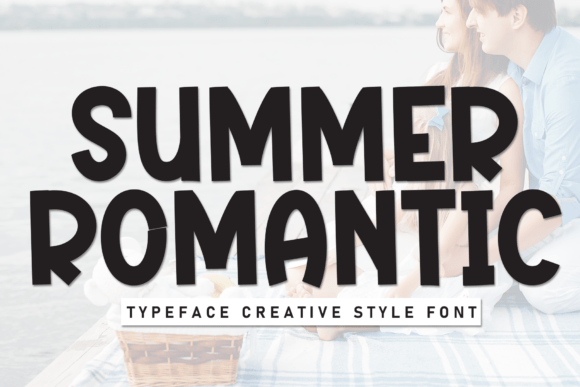
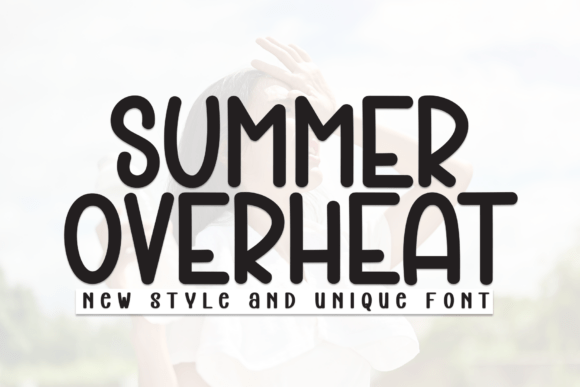
When it comes to choosing the right font for a design project, aesthetics and readability often walk a fine line. Summer Overheat is a display font that manages to strike a balance between modern simplicity and a warm, approachable tone. Designed with clean lines and subtly rounded edges, it brings a sense of friendliness to any visual layout without sacrificing clarity or structure.
Unlike many handwritten-style fonts that lean heavily into a casual or informal appearance, Summer Overheat maintains a polished finish. This makes it especially useful for projects that need to convey warmth without appearing unprofessional. Whether used in branding materials, packaging design, or digital headlines, the font adapts well to a variety of contexts while retaining a consistent visual identity.
What Sets Summer Overheat Apart?
At first glance, Summer Overheat may appear similar to other modern handwritten fonts. However, its distinctiveness lies in its attention to detail. The letterforms are well-balanced, avoiding exaggerated curves or overly stylized strokes that can sometimes make fonts difficult to read at smaller sizes. Instead, the font opts for a minimalist approach, ensuring legibility while still maintaining a soft, personable character.
One of the more subtle but effective design choices in Summer Overheat is its use of rounded corners. These lend a gentle, non-aggressive tone that works well in branding for lifestyle, wellness, or family-oriented products. It also contributes to a cohesive visual rhythm, especially when used across multiple design elements like logos, product labels, or web banners.
Comparing Summer Overheat with Similar Fonts
When evaluating display fonts, it's common to compare options based on legibility, versatility, and emotional tone. Summer Overheat sits comfortably in the middle ground between overly decorative scripts and starkly minimalist sans-serif fonts. It offers more personality than a standard sans-serif like Helvetica or Arial, but without the flourish of more stylized script fonts such as Pacifico or Great Vibes.
- Legibility: Maintains clarity at a range of sizes, especially when used in headlines or short blocks of text.
- Versatility: Works well in both print and digital formats, including packaging, branding, and UI design.
- Personality: Strikes a balance between professionalism and warmth, making it suitable for a broad audience.
That said, it’s not a one-size-fits-all solution. For long-form content such as body copy or extended paragraphs, a more traditional serif or sans-serif font may be a better fit. Summer Overheat excels in situations where visual impact and emotional tone are more important than extended readability.
Strengths and Tradeoffs
Like any design element, Summer Overheat has its strengths and limitations. Understanding these can help designers and content creators determine whether it aligns with their project goals.
Strengths:
- Warm and inviting aesthetic: Makes it ideal for brands looking to convey approachability and sincerity.
- Clean structure: Ensures legibility without compromising on style.
- Modern appeal: Aligns well with current design trends that favor minimalism with personality.
Tradeoffs:
- Limited readability in long text: Not ideal for body copy or extended reading.
- May feel too casual for formal contexts: Might not be suitable for legal, academic, or highly technical applications.
- Requires thoughtful pairing: Needs complementary fonts to maintain visual hierarchy in complex layouts.
Best Fit Scenarios
Summer Overheat shines in design contexts where emotional resonance and visual clarity are equally important. Consider using it in the following situations:
- Branding for lifestyle or wellness brands: Its friendly tone aligns well with brands that aim to feel authentic and approachable.
- Packaging design: Adds a personal touch to product labels, especially in food, beverage, or artisanal goods.
- Digital headlines and banners: Effective in drawing attention without overwhelming the viewer.
In each of these cases, the font contributes to a cohesive brand voice. It helps establish a visual identity that feels both modern and personable, which is especially valuable in crowded markets where differentiation is key.
When to Consider Alternatives
While Summer Overheat offers a compelling combination of style and usability, there are situations where other fonts may be more appropriate. For example:
- Projects requiring high legibility in body text: In such cases, a more traditional serif or sans-serif font will perform better.
- Highly formal or technical applications: Fonts like Times New Roman or Arial may be more suitable for legal documents, academic papers, or financial reports.
- Designs requiring a bold or dramatic presence: More stylized script fonts or bold sans-serif options might be better suited for high-impact visuals.
Designers should also consider how well Summer Overheat pairs with other fonts in a layout. If the supporting typography doesn't complement its style, the overall design may feel disjointed. A thoughtful typographic system is essential to maximize its effectiveness.
Making an Informed Decision
Choosing the right font is more than a matter of preference—it’s a strategic decision that affects how a message is received. Summer Overheat offers a modern, clean aesthetic with a friendly undertone, making it a versatile option for a wide range of design applications. However, its effectiveness depends on how well it aligns with the overall goals of the project.
Designers and content creators should consider factors such as audience expectations, medium of delivery, and brand personality before settling on a font. Testing Summer Overheat in different contexts—whether through mockups, prototypes, or sample layouts—can provide a clearer sense of how it performs in real-world scenarios.
In the broader landscape of display fonts, Summer Overheat stands out for its ability to balance modernity with warmth. It’s not the most dramatic or the most formal option available, but that’s precisely what makes it adaptable. When used thoughtfully, it enhances visual communication without overshadowing the message it’s meant to support.