Street Food Font: A Modern Touch for Inviting Designs
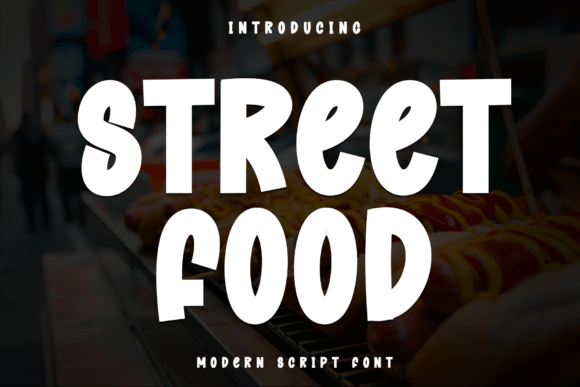
If you’ve ever browsed through a food truck menu, a café’s chalkboard sign, or even a branded packaging label, you may have come across a font that feels both casual and clean — that’s likely the Street Food font. This distinctive typeface blends simplicity with warmth, making it a favorite among designers who want to evoke a sense of approachability and modernity in their projects.
Designed to mimic the charm of handwritten lettering while maintaining a polished structure, Street Food is more than just another display font. It’s a versatile tool that fits seamlessly into branding, digital content, and packaging — especially in industries where a friendly tone is key to connecting with the audience.
What Makes Street Food Font Stand Out?
At first glance, the Street Food font may appear simple, but its design carries a thoughtful balance of form and function. Here’s what makes it unique:
- Clean lines that ensure readability even at smaller sizes
- Balanced letterforms that maintain visual harmony across different characters
- Subtle rounded edges that soften the overall appearance and make it feel more personable
- Modern handwritten feel that gives off a casual yet professional vibe
This combination of traits makes it ideal for projects where you want to convey authenticity without sacrificing clarity. Whether it’s used in a logo, a social media post, or a product label, Street Food adds a touch of warmth that helps brands feel more relatable.
Why Designers Love Using Street Food in Branding
In today’s design landscape, authenticity and approachability are highly valued — especially in the food and lifestyle industries. Brands are constantly looking for ways to stand out while still feeling familiar and trustworthy. That’s where Street Food shines.
Because of its casual yet neat appearance, this font is often used by brands that want to reflect a down-to-earth personality. Think of artisanal bakeries, boutique coffee shops, or street food vendors trying to capture the essence of their local culture. Using a font like Street Food allows them to visually communicate their story without overcomplicating things.
Moreover, its polished finish ensures that even the most informal brands still look professional. This dual benefit makes it a go-to choice for designers who need to strike a balance between fun and function.
Practical Applications Across Industries
The versatility of the Street Food font means it can be applied across a wide range of design contexts. Here are some of the most common uses:
- Branding – Especially for small businesses, startups, and niche brands looking to build a warm, personable identity.
- Headlines and Titles – Its bold presence makes it ideal for drawing attention in digital content, blog headers, or print media.
- Packaging Design – From food labels to boutique product boxes, Street Food adds a personal touch that appeals to conscious consumers.
- Digital Marketing – In social media graphics, email headers, and web banners, it helps maintain a consistent and inviting brand tone.
What’s particularly useful about this font is how well it pairs with other typefaces. Designers often combine it with sans-serif fonts for a clean, modern contrast — especially in multi-layered compositions like posters or digital ads.
How to Use Street Food Font Effectively
Like any design element, the Street Food font works best when used thoughtfully. Here are a few practical tips to make the most of it:
- Stick to short text blocks – Since it’s a display font, it’s best suited for headlines, logos, and short phrases rather than long paragraphs.
- Pair it with neutral fonts – To maintain readability and balance, use it alongside simpler fonts like Open Sans or Montserrat.
- Use it in color-friendly contexts – Because of its clean structure, it holds up well against colorful backgrounds or playful illustrations.
- Consider the context – If your brand is formal or corporate, this font might not be the best fit. But for casual, creative, or community-focused brands, it’s a perfect match.
Also, be mindful of file formats and licensing when using the font in commercial projects. Always ensure you have the appropriate permissions, especially if you're using it for printed materials or digital distribution.
Real-World Examples Where Street Food Font Works Well
Let’s take a look at a few real-world applications where the Street Food font has made a noticeable impact:
- Coffee Shop Menus – Many independent cafés use this font on their menu boards to create a cozy, welcoming atmosphere.
- Food Packaging – From granola bars to handmade sauces, small food producers use the font to give their packaging a personal, artisanal feel.
- Event Branding – Street food festivals, pop-up markets, and community events often incorporate the font into their promotional materials to emphasize a sense of local culture and authenticity.
- Social Media Content – Influencers and small business owners use it in Instagram stories and highlight covers to maintain a consistent, friendly aesthetic.
These examples show how adaptable the font is — it can be both trendy and timeless, depending on how it's used.
Choosing Street Food Font: Key Considerations
Before deciding to use the Street Food font in your next project, consider the following factors:
- Brand Personality – Does your brand lean toward casual, creative, or community-focused messaging? If yes, this font could be a great fit.
- Design Purpose – Will it be used for headlines, logos, or packaging? It excels in these areas, but may not be suitable for body text or formal documents.
- Target Audience – Younger audiences and lifestyle-oriented consumers tend to respond well to this kind of typography.
- Visual Balance – Make sure the rest of your design doesn’t compete with the font. Let it shine as a focal point without overwhelming other elements.
When used correctly, the Street Food font can elevate your design from ordinary to memorable — all while keeping your brand tone warm and engaging.
Final Thoughts on Street Food Font
The Street Food font is more than just a trendy typeface — it’s a design tool that bridges the gap between personality and professionalism. Whether you're designing a logo for a new food truck or creating packaging for a line of organic snacks, this font brings clarity, charm, and character to the table.
In a world where design plays a crucial role in brand perception, choosing the right font can make all the difference. The Street Food font offers a fresh, modern alternative for those who want to stand out while still feeling familiar. If your project calls for a touch of warmth and authenticity, this font might just be the perfect choice.