Smile Wish: The Friendly Font Redefining Modern Typography
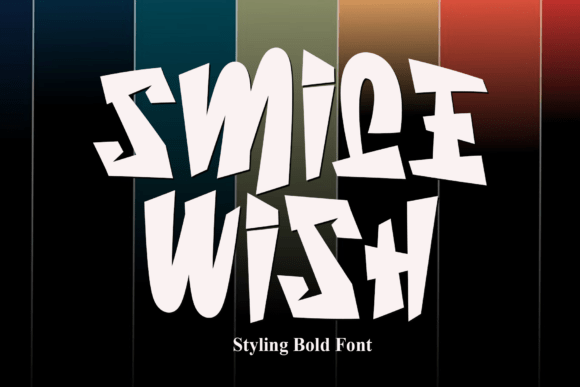
In an era where visual communication plays a central role in branding, marketing, and digital engagement, the choice of typography can make or break a message. Enter Smile Wish, a casual and neat display font that blends simplicity with a warm, approachable aesthetic. Designed to capture the essence of modern handwritten typography, Smile Wish brings a polished yet personable touch to everything from packaging to digital content.
What Makes Smile Wish Stand Out?
At first glance, Smile Wish distinguishes itself with clean lines, balanced letterforms, and subtly rounded edges. These characteristics give it a soft, inviting appearance without sacrificing legibility or structure. Unlike many casual fonts that lean heavily into the “handwritten” look at the expense of professionalism, Smile Wish strikes a careful balance. It feels personal yet refined—ideal for audiences who want to convey warmth without compromising on clarity.
The font’s design is rooted in the growing demand for typographic solutions that feel human and authentic. As digital interfaces become more streamlined and minimalist, the need for personality in typefaces has never been greater. Smile Wish answers this call by offering a font that is both visually engaging and functionally versatile.
Aligning With Contemporary Design Trends
Smile Wish fits seamlessly into broader creative and business trends that emphasize authenticity, emotional connection, and user-centered design. Across industries, brands are shifting toward more approachable, relatable identities—particularly in sectors like wellness, lifestyle, and direct-to-consumer (DTC) retail.
- Branding: Startups and small businesses often look for fonts that communicate trust and warmth. Smile Wish serves as an ideal choice for logo design, brand slogans, and social media visuals where a friendly tone is essential.
- Packaging: In product design, Smile Wish can be used for labels, tags, and promotional materials to evoke a sense of care and craftsmanship.
- Digital Content: From website headers to mobile app interfaces, Smile Wish enhances readability while maintaining a modern, personable tone.
These applications reflect a growing preference for design that feels intentional and emotionally resonant. In a world saturated with digital content, standing out often means going beyond aesthetics to create a sense of connection—and Smile Wish enables that.
Why Designers and Marketers Are Taking Notice
Designers and marketers are increasingly drawn to Smile Wish because of its versatility and emotional appeal. In a time when brands are expected to be both authentic and visually consistent, having a font that can adapt across platforms while maintaining a distinct personality is invaluable.
Moreover, Smile Wish aligns with current typographic trends such as soft minimalism and human-centered design. These movements prioritize clarity, readability, and emotional resonance—qualities that Smile Wish embodies. As more brands shift toward digital-first strategies, the ability to communicate warmth through typography becomes a key differentiator.
Consider the rise of e-commerce platforms and subscription-based services. Many of these businesses rely heavily on digital communication, from email marketing to app notifications. In such contexts, using a font like Smile Wish can help reinforce a brand’s personality—making every message feel less like a transaction and more like a conversation.
Meeting Evolving Creative and Business Needs
The growing popularity of Smile Wish also reflects broader changes in creative workflows and consumer expectations. Today’s designers are often expected to deliver high-quality, emotionally engaging work at a faster pace. Tools and assets that simplify this process—like well-designed, ready-to-use fonts—are in high demand.
Smile Wish meets this need by offering a font that is not only visually appealing but also easy to implement across a variety of platforms. Whether it’s being used in a Canva template, a Figma prototype, or a Shopify product page, Smile Wish maintains its integrity and impact.
Additionally, as remote work and digital collaboration become the norm, designers are increasingly relying on assets that are universally legible and adaptable. Smile Wish’s crisp structure ensures it performs well across screen sizes and resolutions, making it a reliable choice for responsive design.
Practical Applications and Real-World Examples
Let’s take a look at how Smile Wish is being used in real-world contexts:
- Wellness Brands: Many wellness startups use Smile Wish in their marketing materials to evoke a sense of calm and positivity. The font’s soft curves and open spacing align well with themes of mindfulness and self-care.
- Children’s Products: Toy brands and educational platforms often use Smile Wish in packaging and digital content to create a sense of playfulness and friendliness.
- Personal Blogs and Creative Portfolios: Independent creators use Smile Wish to add a personal touch to their websites, newsletters, and social media graphics—helping them stand out in a crowded digital space.
These examples illustrate how Smile Wish is being integrated into a wide range of creative and business applications. Its adaptability and emotional appeal make it a go-to choice for professionals across industries.
Connecting to Larger Industry Shifts
Smile Wish’s success is not just about its design—it’s also a reflection of larger shifts in the creative and business landscape. Consumers today are more discerning than ever, seeking brands that feel genuine, empathetic, and human. Typography plays a crucial role in shaping that perception.
At the same time, advancements in design technology and digital tools have made it easier for professionals to access high-quality fonts like Smile Wish. Platforms like Adobe Fonts, Google Fonts, and independent marketplaces have democratized font usage, allowing more designers to experiment with expressive typography.
Looking ahead, the demand for fonts that balance personality with professionalism is only expected to grow. As AI-driven design tools become more prevalent, the need for human-centric, emotionally resonant elements like Smile Wish will become even more pronounced.
Conclusion: The Future of Friendly Typography
Smile Wish is more than just a font—it’s a reflection of how design is evolving to meet the needs of a more connected, emotionally intelligent, and digitally driven world. Whether you're a marketer crafting a brand voice, a designer building a visual identity, or an entrepreneur launching a product, Smile Wish offers a powerful tool to communicate warmth, clarity, and authenticity.
As the boundaries between branding, technology, and human experience continue to blur, fonts like Smile Wish will play an increasingly important role in shaping how we connect and communicate. By embracing this shift, professionals across industries can ensure their messages not only stand out—but also resonate.