Scary Monster Font: A Unique Choice for Bold, Playful Spookiness
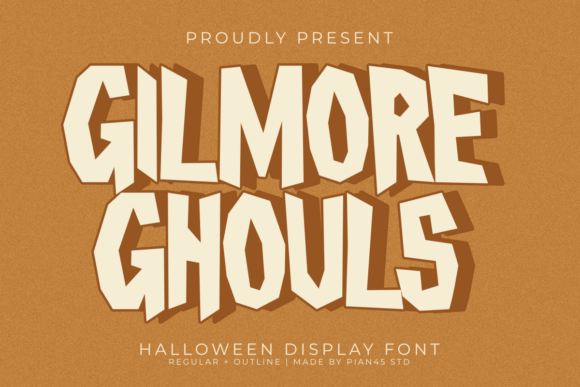
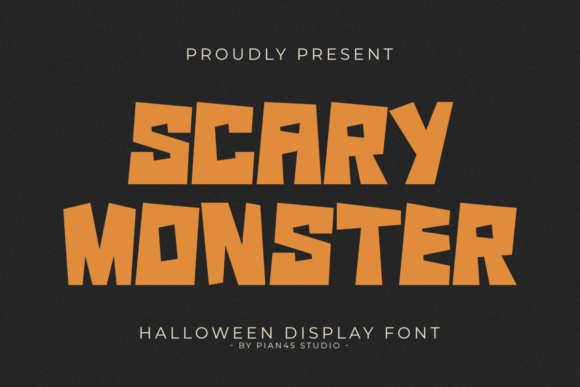
When it comes to creating designs with a Halloween or monster-themed aesthetic, the choice of typography plays a crucial role in setting the tone. Scary Monster is a standout display font that blends fun and fear in a way few others can. With its thick, uneven letterforms and jagged edges, it delivers a hand-drawn appearance that feels both authentic and expressive. Whether you're designing movie posters, party invitations, or children's book covers, this font brings a distinctive visual flair that's hard to ignore.
What Sets Scary Monster Apart
Unlike many standard horror-themed fonts that lean heavily into dark, gothic, or minimalist styles, Scary Monster embraces a more playful and exaggerated form. Its irregular shapes and bold weight give it a handmade quality that feels less rigid and more approachable, especially for projects targeting younger audiences or those aiming for a lighthearted scare. The font’s uneven baseline and exaggerated serifs add to its charm, making it ideal for designs that want to evoke curiosity rather than dread.
This font is particularly effective when used in large sizes, where its textures and imperfections can be fully appreciated. It’s not intended for body text or small-scale applications, but as a headline or title font, it shines with personality and impact.
Comparing Scary Monster with Similar Fonts
There are many fonts that aim to evoke a spooky or monster-like vibe, but few combine the same level of playfulness and boldness as Scary Monster. For example, traditional horror fonts like Creepster or Grindstone lean toward a more sinister and stylized look, often sacrificing readability for dramatic effect. These fonts are better suited for mature themes or horror branding where a serious tone is necessary.
In contrast, Scary Monster maintains a level of legibility and whimsy that makes it versatile for a broader range of applications. It shares some visual DNA with fonts like Boney or Zombie Holocaust, but stands out due to its thicker weight and more exaggerated textures. It avoids the overly digital or overly grungy look that some alternatives fall into, instead embracing a tactile, almost cartoonish charm.
Best Use Cases for Scary Monster
Scary Monster truly excels in design contexts where a bold, eye-catching presence is needed. It’s particularly well-suited for:
- Halloween Party Invitations – Its playful spookiness makes it perfect for event designs that want to be fun rather than frightening.
- Movie Posters – Especially for family-friendly horror comedies or animated features with a monster theme.
- Children’s Book Covers – The font’s exaggerated shapes and hand-drawn style appeal to young readers while maintaining a sense of whimsical scariness.
- Merchandise Branding – From t-shirts to themed packaging, Scary Monster adds a distinctive flair that stands out on shelves and promotional materials.
When used in these contexts, the font helps establish a cohesive visual tone that resonates with the intended audience. However, it’s important to consider its limitations before making it a central design element.
Limitations and Considerations
While Scary Monster offers a unique visual style, it’s not without its drawbacks. Its heavy weight and irregular shapes can make it difficult to read at smaller sizes or in long blocks of text. This limits its usefulness for body copy or projects that require extended reading. Additionally, its bold aesthetic may not align with more refined or minimalist design approaches, where subtlety and clean lines are preferred.
Another consideration is the font’s stylistic consistency. Because it mimics a hand-drawn look, some characters may appear more exaggerated or uneven than others. While this adds to its charm in headlines, it could create visual clutter if used excessively or in complex layouts.
When to Choose Scary Monster — and When to Look Elsewhere
If your project calls for a bold, attention-grabbing font with a playful twist on the horror aesthetic, Scary Monster is an excellent choice. It works best when used sparingly and in contexts where visual impact is more important than readability. Designers looking to create a cohesive theme for Halloween events, themed branding, or kid-friendly monster content will find it particularly useful.
However, if your design requires a more subdued or professional tone, or if you need a font that performs well in smaller sizes or across multiple platforms, you may want to explore other options. Fonts with cleaner lines and more uniform spacing will serve you better in those cases. Similarly, if you're aiming for a more realistic or cinematic horror aesthetic, you may find that more stylized serif or sans-serif fonts offer a better fit.
Making the Most of Scary Monster
To get the best results with Scary Monster, it’s important to pair it thoughtfully with complementary design elements. Since the font is so visually dominant, it works best when balanced with simpler backgrounds and minimal supporting text. Consider using it in combination with a clean sans-serif font for subheadings or body copy to maintain visual hierarchy and readability.
Color choices also play a role in how the font is perceived. Classic Halloween colors like orange, black, and purple enhance its spooky vibe, but don’t be afraid to experiment with unexpected palettes. A neon or pastel color scheme, for example, can give the font a fresh, modern twist that stands out from traditional horror-themed designs.
Additionally, applying slight texture effects or shadows can enhance the font’s hand-drawn aesthetic, especially in digital illustrations or print media. Just be careful not to overdo it — the font already has a strong visual presence, so subtlety in effects often works best.
Conclusion
Scary Monster is a distinctive font that brings a unique blend of playfulness and spookiness to the table. Its thick, uneven letterforms and jagged edges give it a hand-drawn authenticity that’s hard to replicate with more conventional horror-themed fonts. While it may not be suitable for every design scenario, it shines in contexts where boldness and visual impact are key. By understanding its strengths and limitations, designers can make informed choices about when and how to use this eye-catching typeface to its fullest potential.