Rough Creepy: The Halloween Font That Captures the Spirit of Modern Horror Design
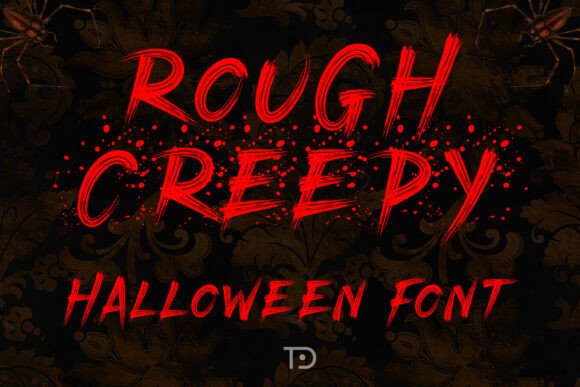
In the world of typography, few fonts manage to evoke a visceral reaction like Rough Creepy. This terrifyingly bold Halloween font, with its scratchy, hand-drawn aesthetic, channels raw fear through design. Its jagged strokes and chaotic texture aren’t just stylistic choices—they’re deliberate tools that tap into the primal unease associated with horror. Whether you're designing a scary movie poster, haunted house flyer, or horror-themed game title, Rough Creepy commands attention and sets the tone without needing a single line of supporting copy.
Why Rough Creepy Stands Out in the Crowd
Typography is more than just a vessel for words—it’s a storytelling device. In the horror genre, where visual impact often precedes comprehension, the right font can make or break a design. Rough Creepy succeeds where many Halloween fonts fall short because it feels handmade, unpredictable, and unsettling. Unlike overly polished or generic fonts, this typeface embraces imperfection. Its rough edges and inconsistent weight mimic the chaotic nature of fear itself, making it ideal for projects that need to feel raw and immediate.
Designers are increasingly leaning into tactile, analog aesthetics even in digital spaces. This shift is partly a response to the sterile perfection of modern UI design. In contrast, Rough Creepy feels like it was scrawled in the dark with a shaky hand—perfect for creators who want to inject personality and unease into their work.
The Rise of Hand-Drawn Horror Typography
The growing popularity of hand-drawn fonts like Rough Creepy aligns with broader trends in creative design. Audiences today crave authenticity, and nothing feels more human than a font that looks like it was crafted by real hands. This preference extends beyond Halloween design into branding, editorial illustration, and social media content, where imperfection is increasingly celebrated as a mark of originality.
In the horror genre, this shift is especially powerful. As streaming platforms and independent creators produce more horror content than ever before, visual differentiation becomes critical. A well-designed title card or promotional poster can be the difference between a forgotten project and a viral sensation. Fonts like Rough Creepy offer a shortcut to that visceral, genre-specific impact without requiring deep design expertise.
Practical Applications for Rough Creepy
From marketing materials to game titles, Rough Creepy finds a home in a variety of horror-themed projects. Here are some practical uses that designers and creators can explore:
- Scary Movie Posters: The chaotic texture of the font immediately signals horror, making it ideal for independent filmmakers looking to stand out.
- Haunted House Flyers: Nothing says “don’t enter” like jagged lettering that feels like it was carved into wood.
- Halloween Event Branding: Whether it’s a themed bar night or a community festival, Rough Creepy sets the tone for seasonal promotions.
- Horror Game Titles: Indie game developers often rely on strong visual identities to attract players, and this font delivers that punch in a single glance.
- Spooky Social Media Graphics: Halloween campaigns on Instagram, TikTok, or Pinterest benefit from bold, eye-catching typography that fits the season.
Designing with Rough Creepy: Tips and Best Practices
While Rough Creepy is a powerful tool, it’s not a one-size-fits-all solution. Like any design element, it requires thoughtful application to avoid overwhelming the viewer or clashing with the overall aesthetic. Here are a few guidelines for using it effectively:
- Pair with clean, minimal backgrounds: Let the font shine by placing it over dark, textured backdrops or simple black canvases. Too many competing elements can dilute its impact.
- Use sparingly for emphasis: Avoid using Rough Creepy for long paragraphs. It’s best suited for headlines, titles, and short bursts of text meant to grab attention.
- Consider contrast and legibility: Because of its jagged nature, this font may be harder to read at smaller sizes. Ensure it remains legible across different platforms and devices.
- Experiment with layering: Try combining Rough Creepy with other Halloween-themed fonts or effects like blood splatters or torn edges to enhance the horror vibe.
- Test in different formats: From print flyers to digital banners, how the font appears can vary. Always preview it in the final format before publishing.
How Rough Creepy Fits Into the Modern Design Landscape
The resurgence of horror-themed content in mainstream media has created a renewed demand for design tools that reflect the genre’s intensity. Streaming services, podcasts, and immersive experiences have all contributed to a cultural fascination with fear. In this environment, typography becomes a key differentiator. Fonts like Rough Creepy don’t just communicate a message—they amplify the emotional tone of the entire experience.
Moreover, the rise of DIY design tools like Canva, Adobe Express, and Figma has democratized access to professional-grade design elements. This means that even non-designers can leverage Rough Creepy to create compelling Halloween visuals. As a result, the font has become a go-to choice for entrepreneurs, content creators, and small businesses looking to create seasonal campaigns that stand out without hiring a full-time designer.
Looking Ahead: The Future of Horror Typography
As digital design continues to evolve, so too will the tools we use to create it. Horror typography is no exception. We’re already seeing a shift toward more dynamic, animated fonts that bring an extra layer of fear to the screen. However, the enduring appeal of hand-drawn, tactile designs like Rough Creepy suggests that simplicity and raw emotion will remain at the core of effective horror visuals.
Designers and marketers who understand the psychological impact of typography will be better positioned to connect with audiences on a deeper level. Whether it’s through a chilling poster or a hauntingly styled logo, the right font can make all the difference in how a message is received.
In this landscape, Rough Creepy isn’t just a Halloween font—it’s a reflection of a broader creative movement that values authenticity, emotion, and visual storytelling. For anyone looking to make a bold, scary statement this season, there’s no better place to start.