Righthand: A Playful Font for Creative Expression
When it comes to typography, the right font can completely transform a design. Righthand stands out as a casual, hand-drawn typeface that brings a sense of warmth and approachability to any project. Whether you're designing a personal invitation or crafting engaging social media content, Righthand offers a unique visual tone that feels both genuine and inviting.
What Makes Righthand Unique
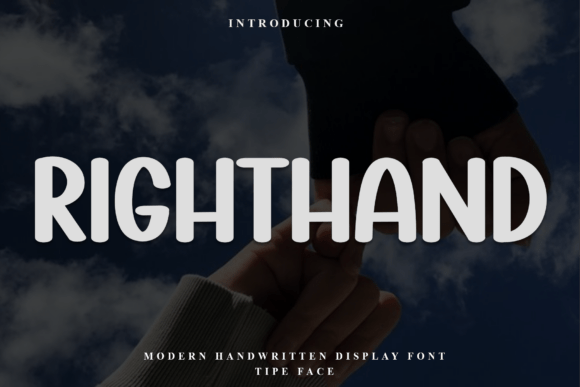
Righthand is designed with soft, rounded strokes that give it a relaxed and friendly appearance. Unlike rigid, formal fonts, this typeface mimics natural handwriting, making it ideal for designs that aim to feel personal and expressive. Its playful character doesn’t come at the expense of legibility—Righthand remains clear and readable even at smaller sizes, which is a key consideration in both print and digital design.
One of the standout features of Righthand is its support for standard PUA-encoded glyphs. This compatibility allows users to access special characters and alternate forms across a wide range of design applications, including Adobe Photoshop, Illustrator, CorelDRAW, and Canva. As a result, designers can easily incorporate stylistic flourishes and custom touches without worrying about technical limitations.
Perfect for Diverse Design Needs
Because of its versatile aesthetic, Righthand is well-suited for a variety of creative applications. Here are just a few scenarios where this font shines:
- Personal projects: From handmade greeting cards to custom gift tags, Righthand adds a charming, handcrafted feel.
- Event invitations: Baby showers, birthday parties, and wedding showers benefit from its warm, whimsical tone.
- Social media graphics: Whether you're creating Instagram stories or Facebook posts, this font helps your message feel more personable and engaging.
- Branding for small businesses: Independent shops, boutique brands, and lifestyle creators can use Righthand to communicate a friendly, down-to-earth image.
Why Designers Choose Righthand
In the world of typography, readability and personality often walk a fine line. Righthand strikes a balance by offering a distinct character without sacrificing clarity. Its hand-drawn look brings authenticity to designs, which is especially valuable in an era where audiences respond strongly to genuine, human-centered visuals.
Designers also appreciate how easy it is to integrate Righthand into their existing workflows. Thanks to its PUA encoding, users can access alternate characters and ligatures in most major design tools without needing advanced typographic knowledge. This makes it a practical choice not only for seasoned professionals but also for hobbyists and entrepreneurs who want to create polished visuals without a steep learning curve.
Applications Across Industries
Righthand’s flexibility makes it a valuable asset in multiple environments:
- Education: Teachers and educators can use Righthand in presentations, worksheets, and classroom signage to create a welcoming and non-intimidating atmosphere for students.
- Marketing: Brands aiming for a friendly, approachable tone in their campaigns can use Righthand in digital ads, email newsletters, and promotional materials.
- Content creation: Bloggers and YouTubers often use Righthand in thumbnails and on-screen text to add a personal, handmade aesthetic to their visual branding.
- Freelance design: Whether working on logo concepts, packaging mockups, or editorial layouts, freelancers can rely on Righthand to convey a sense of warmth and creativity.
Enhancing User Experience with Righthand
Typography plays a subtle but powerful role in user experience. Righthand contributes to a positive UX by making interfaces and visual materials feel more personable and less rigid. For example, in mobile apps or websites that aim for a casual tone, using Righthand in headlines or callout text can help reduce perceived formality and encourage user engagement.
Additionally, Righthand's hand-drawn style supports emotional connection. When users see a font that feels like it was created by a person rather than a machine, they’re more likely to perceive the content as authentic and trustworthy. This is particularly useful in branding and marketing efforts where building a personal relationship with the audience is key.
Considerations for Using Righthand
While Righthand is a versatile font, it’s important to use it thoughtfully. Here are a few best practices to keep in mind:
- Pair it wisely: To maintain visual harmony, pair Righthand with clean, minimalist fonts like sans serifs. This contrast ensures readability while preserving the playful tone of Righthand.
- Use in appropriate contexts: Due to its casual nature, Righthand may not be suitable for highly formal or technical documents. Consider the tone of your project before choosing this font.
- Test legibility: Always preview Righthand at different sizes, especially for mobile use or printed materials, to ensure it remains clear and effective.
- Check licensing: Before using Righthand commercially, verify that your license allows for the intended use, especially in branded content or products for sale.
Final Thoughts
Righthand is more than just a font—it’s a design tool that brings warmth, personality, and approachability to any visual project. Whether you're a professional designer, a small business owner, or someone who loves to create, Righthand offers a charming, handcrafted aesthetic that enhances communication and engagement. Its compatibility with major design platforms, combined with its expressive style, makes it a go-to choice for those who want their work to feel both personal and polished.
If you're looking to inject a sense of playfulness and authenticity into your next design, consider giving Righthand a try. With the right application, it can elevate your visuals and help you connect more meaningfully with your audience.