Rama: A Modern Sans Serif Font with Timeless Elegance
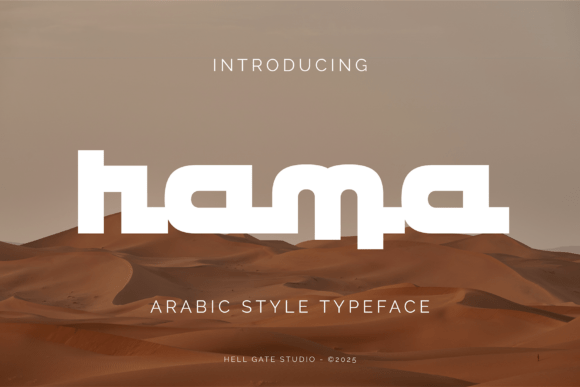
When it comes to typography, finding a font that balances modernity with elegance can be a game-changer for your design projects. Rama-Regular is one such typeface that stands out in the crowded world of digital fonts. Designed as a contemporary sans serif display font, Rama offers a clean, high-quality aesthetic that works exceptionally well for Arabic and Ramadan-themed designs. Whether you're crafting social media visuals, branding materials, or seasonal campaigns, Rama's adaptability and OTF format make it a versatile choice.
Why Rama Deserves a Closer Look
What sets Rama apart is its ability to blend simplicity with sophistication. It’s not just another generic sans serif — its character spacing, weight balance, and overall structure evoke a sense of refinement. This makes it especially effective for designs that require both readability and visual appeal. Its suitability for Arabic and Ramadan-related content is a major draw for designers working on cultural or religious projects that demand both clarity and warmth.
Moreover, Rama comes in an OpenType format, which means it's compatible with most design software and allows for advanced typographic features. Whether you're a seasoned designer or just starting out, you'll appreciate how easily it integrates into your workflow and how well it responds to color and layout adjustments.
Common Mistakes When Choosing and Using Rama
Despite its many strengths, Rama is sometimes misused due to a few common oversights. These missteps can diminish its visual impact or even lead to compatibility issues. Here are some of the most frequent errors and how to avoid them:
1. Assuming It Works Well in All Contexts
While Rama is a strong display font, it's not always ideal for long-form text or small sizes. Some users mistakenly apply it in body copy or detailed descriptions, where its clean lines can become less readable. This can lead to a drop in legibility and user engagement.
Better approach: Use Rama primarily for headlines, banners, and short-form text. Pair it with a simpler sans serif or serif font for body content to maintain visual hierarchy and readability.
2. Overlooking Licensing Details
Another frequent oversight is not checking the licensing terms before downloading or purchasing Rama. Some versions may be free for personal use but require a commercial license for business projects. Failing to comply can lead to legal issues down the line.
Better approach: Always verify the license type and ensure it aligns with your intended use. If you're working on a client project or commercial design, invest in a proper license to avoid complications.
3. Ignoring Format Compatibility
Rama is supplied in OTF (OpenType) format, which is widely supported. However, some users try to use it in platforms or tools that don't fully support OTF files, leading to display inconsistencies or missing glyphs.
Better approach: Confirm that your design software, website builder, or print tool supports OTF files. If not, consider converting or embedding the font properly, or choose a more compatible format if available.
4. Applying It Without Customization
One of Rama's strengths is its adaptability, yet many users stick to default settings without exploring its full potential. Using it without adjusting spacing, color, or weight can result in a flat or generic appearance.
Better approach: Experiment with tracking, leading, and color variations to enhance visual interest. Rama’s clean structure makes it perfect for subtle design tweaks that elevate your overall layout.
How to Choose the Right Version of Rama
Before downloading or purchasing Rama, consider the following factors to ensure you're getting the right version for your needs:
- Intended Use: Will this be for personal, educational, or commercial purposes? Always match the license type accordingly.
- Software Compatibility: Check if your design tools support OTF files. If not, see if alternative formats are available.
- Language Support: Since Rama is often used for Arabic-themed projects, confirm that it includes necessary glyphs and supports right-to-left text if needed.
- Design Requirements: Think about the tone of your project. Rama works best in designs that aim for a modern yet elegant feel, so consider whether it aligns with your brand or message.
Real-World Examples of Rama in Action
Let’s look at two scenarios where Rama was used effectively — and one where it wasn't.
- Successful Use: A designer created a Ramadan greeting card using Rama for the main title. They paired it with a light, cursive font for the greeting message, creating a balanced and visually appealing layout. The OTF format ensured crisp printing and digital sharing.
- Effective Web Use: A blogger used Rama for section headers on a lifestyle website focused on Middle Eastern culture. By adjusting the font weight and color contrast, they achieved a modern look that resonated with their audience without compromising readability.
- Misuse Example: A small business owner used Rama in a product catalog with small-sized body text. The font's clean lines became hard to read, leading to customer complaints about the document's clarity. Switching to a more legible font for body text improved the overall experience.
Final Thoughts: Rama Is Worth the Effort
Rama is more than just a pretty font — it's a thoughtful design choice that can elevate your visual communication. When used correctly, it brings a modern yet elegant touch to a wide range of projects, especially those with cultural or seasonal relevance. However, like any design tool, it requires a bit of knowledge and intention to get the most out of it.
By avoiding common mistakes — such as misusing the font in inappropriate contexts, ignoring licensing terms, or overlooking format compatibility — you can ensure your designs look professional and perform well. Take the time to understand Rama’s strengths and limitations, and you’ll find it to be a valuable addition to your typographic toolkit.