Magin: A Bold Display Typeface for Impactful Design
Typography plays a pivotal role in visual communication, and choosing the right typeface can define the tone and effectiveness of a design. Magin stands out as a compelling option for designers seeking a bold, textured display font that conveys strength and authenticity. Its blocky, handcrafted letterforms and carved detailing make it a distinctive choice for projects that demand attention without sacrificing character.
Understanding Magin’s Design and Aesthetic
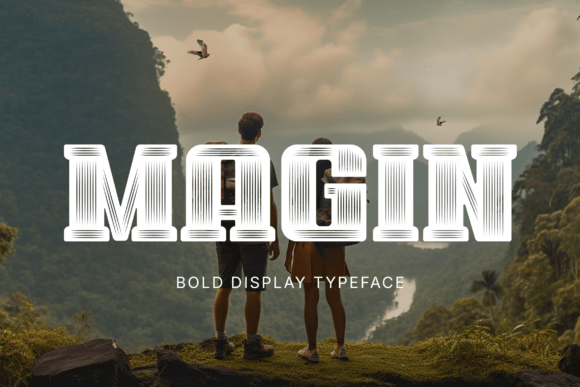
At first glance, Magin’s visual presence is unmistakable. The font features strong, angular letterforms that are built with a solid, almost architectural structure. What truly sets it apart is the textured line pattern embedded within each character. This carved or etched effect gives Magin a vintage, hand-drawn quality that feels both intentional and expressive.
Unlike many modern sans-serif fonts that aim for minimalism, Magin embraces a tactile aesthetic. The texture adds depth and dimension, making it ideal for designs that benefit from a sense of history or ruggedness. Whether used in branding, event promotions, or editorial design, Magin’s unique visual language can elevate a project from ordinary to memorable.
Key Features and Typographic Strengths
Magin is not just visually striking—it’s also built with functionality in mind. The font includes over 250 glyphs, offering extended language support and typographic flexibility. This makes it suitable for international projects or multilingual content, where character coverage is essential for seamless implementation.
- Extensive glyph set for multilingual and special character support
- Consistent weight and spacing for readability at large sizes
- Distinctive texture that retains clarity without overwhelming the design
The font maintains a strong visual hierarchy, which is crucial for display use. Its carved texture doesn’t compromise legibility, even when used in dynamic compositions. This balance between form and function is what makes Magin stand out in its category.
Practical Applications and Design Use Cases
Magin excels in contexts where visual impact is the priority. It’s best suited for titles, logos, and short-form text rather than extended body copy. Here are some practical applications where Magin shines:
- Brand logos – Especially for adventure brands, craft breweries, or artisanal product lines that want to convey rugged authenticity
- Event posters and banners – The font’s boldness ensures visibility from a distance
- Editorial headers – In magazines or digital content where a strong visual hook is needed
- Product packaging – Adds a tactile, premium feel without needing physical texture
Designers who work on branding for niche markets—such as outdoor gear, heritage products, or boutique services—will find Magin particularly useful. Its textured appearance can evoke a sense of craftsmanship and tradition, aligning well with brand narratives that emphasize authenticity and heritage.
Usability and Integration in Design Workflows
From a technical standpoint, Magin integrates smoothly into most design environments. It works well in Adobe Creative Cloud applications, Figma, and web design tools that support custom fonts. The glyph set ensures that special characters and alternate forms are accessible, which is important for designers who need typographic nuance without switching fonts.
One consideration is that Magin’s texture may not scale well at very small sizes. It performs best when used at 24pt or larger, where the carved detail remains visible and contributes to the font’s character. For digital use, especially on screens with lower resolution, testing at different sizes is recommended to ensure optimal legibility.
Who Benefits Most from Using Magin?
Magin is particularly valuable to professionals who prioritize visual storytelling and brand differentiation. Here are some user profiles that may find Magin especially useful:
- Graphic designers working on brand identities that emphasize ruggedness or artisanal quality
- Marketing professionals creating promotional materials for adventure, outdoor, or lifestyle brands
- Freelancers and creatives who want to offer clients a unique typographic option that stands out
- Small business owners looking to create a strong visual presence with limited design resources
For those who frequently work with display typography, Magin offers a fresh alternative to standard bold fonts. Its texture and vintage appeal make it suitable for projects that need to stand out without relying on excessive visual effects.
Comparing Magin to Similar Fonts
When compared to other bold, textured display fonts, Magin holds its own in terms of both style and usability. Fonts like Bebas Neue or Impact offer bold presence but lack the textured detail that gives Magin its unique character. Meanwhile, some textured fonts can become too ornate, making them difficult to read or integrate into clean designs. Magin strikes a balance—its carved lines enhance its visual appeal without compromising clarity.
That said, Magin is not a one-size-fits-all solution. It's best used as a highlight font rather than a primary typeface. Pairing it with a clean sans-serif or serif font can create a strong visual contrast that enhances overall design harmony.
Final Thoughts: Is Magin Worth Considering?
Magin is a well-crafted typeface that offers both visual impact and typographic versatility. Its textured design sets it apart in the crowded space of bold display fonts, making it a valuable addition to any designer’s toolkit. While it may not be suitable for every project, it excels in scenarios where a strong, handcrafted aesthetic is desired.
For professionals looking to elevate their visual communication with a font that brings both personality and performance, Magin is worth exploring. Its combination of style, readability, and glyph support makes it a practical choice for branding, advertising, and creative design work where bold typography plays a central role.