Choosing the Right Display Font: Why Digital Planner Stands Out
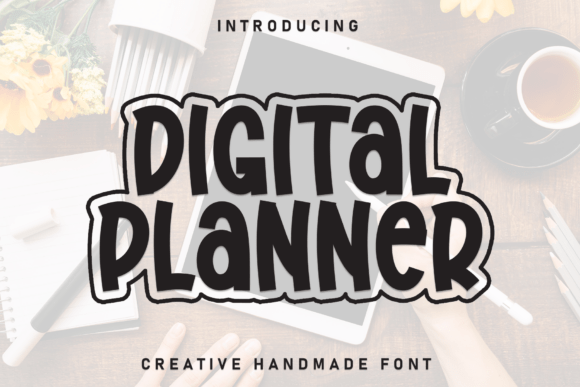
When selecting a display font for branding, packaging, or digital content, designers often balance between aesthetics and readability. Digital Planner offers a compelling middle ground by combining the warmth of modern handwritten typography with the precision of a polished, clean design. Its rounded edges and balanced letterforms create an inviting, approachable impression without sacrificing clarity. This makes it particularly suitable for projects that aim to feel both professional and personable.
What Makes Digital Planner Unique
Digital Planner distinguishes itself through its casual yet neat appearance. Unlike many display fonts that lean heavily into stylization at the expense of legibility, this font maintains a crisp structure that ensures readability even at smaller sizes. The subtle rounded corners and clean lines contribute to its friendly tone, making it ideal for contexts where warmth and accessibility are key.
Its design philosophy reflects a growing trend in typography: the desire to humanize digital communication. Whether used in app interfaces, product packaging, or marketing headlines, Digital Planner adds a touch of authenticity without appearing overly casual or unrefined.
Comparing Digital Planner with Similar Fonts
Among modern display fonts, there are several categories that designers commonly consider: handwritten, script, geometric sans-serif, and minimalist serif. Digital Planner sits at the intersection of the handwritten and minimalist styles, offering a hybrid approach that avoids the extremes of either category.
- Handwritten-style fonts often emphasize organic, brush-like strokes, which can be visually engaging but may reduce legibility in certain contexts. Digital Planner retains the charm of handwriting while offering more uniformity and structure.
- Script fonts are typically reserved for formal or decorative uses. They can be elegant but may not suit digital-first applications where clarity is essential. Digital Planner avoids the flourishes that can make scripts less versatile.
- Geometric sans-serif fonts prioritize modernity and neutrality. While they are highly readable and adaptable, they often lack the personality that display fonts like Digital Planner provide.
This balance makes Digital Planner a strong contender for designers who want a font that’s distinctive yet functional, especially in digital environments where user experience is a priority.
Strengths and Tradeoffs
Digital Planner excels in scenarios where approachability and clarity are equally important. Its strengths include:
- High readability at various sizes
- A warm, personable tone suitable for branding and UI design
- Flexibility across digital and print formats
However, like any design choice, it comes with tradeoffs. Because it’s a display font, it’s not recommended for long-form body text or dense paragraphs. Its stylized letterforms, while appealing in headlines and short text blocks, may become visually tiring in extended reading formats.
Additionally, while Digital Planner strikes a balance between casual and refined, it may not fully satisfy designers looking for a highly stylized or ultra-minimalist aesthetic. In such cases, a more specialized font might be a better fit depending on the project’s tone and purpose.
Best Fit Situations
Digital Planner is particularly well-suited for the following applications:
- Brand identities aiming to project approachability, such as wellness, lifestyle, or educational brands
- Digital interfaces including mobile apps, websites, and dashboards where a friendly tone enhances user experience
- Packaging design for consumer products that want to convey a sense of warmth and trust
- Marketing headlines and social media content where visual appeal supports message clarity
In each of these cases, the font’s clean yet personable design helps create a connection with the audience while maintaining a professional edge.
When to Consider Alternatives
Despite its strengths, Digital Planner may not be the best choice for every project. For example:
- If the design requires a classic or formal tone, serif fonts or more traditional sans-serif options may be more appropriate.
- For technical or academic contexts, where neutrality and readability take precedence over personality, a more conventional font may be preferred.
- In print-heavy layouts, especially those involving long paragraphs, a font designed for body text would offer better legibility over extended use.
Designers should also consider the broader typographic system they’re working within. Digital Planner works well as a headline or accent font but may need to be paired with a more neutral typeface to ensure visual hierarchy and contrast.
Practical Examples and Comparisons
Consider a wellness brand launching a new line of organic supplements. Using Digital Planner in their packaging and promotional materials can help convey a sense of care and authenticity. In contrast, a more rigid or overly stylized font might either feel too corporate or too informal for the intended audience.
Another example is a productivity app that wants to feel both modern and user-friendly. Digital Planner’s clean structure and soft edges can contribute to a welcoming interface without compromising on professionalism. In comparison, a purely handwritten font might feel less reliable, while a strict geometric sans-serif could appear too cold or impersonal.
Decision Factors to Keep in Mind
When evaluating Digital Planner or any display font, consider the following:
- Target audience: Does the tone of the font align with how you want your brand or message to be perceived?
- Medium and context: Will the font be used primarily in digital or print format? At what size will it appear most often?
- Legibility vs. personality: Is the font’s character more important than its ability to remain readable in different environments?
- Typographic pairing: How well does the font work alongside other typefaces in your design system?
These factors will help ensure that the font supports both the aesthetic and functional goals of the project.