Bubble Comic: A Playful Font for Diverse Creative Endeavors
The Origins and Essence of Bubble Comic
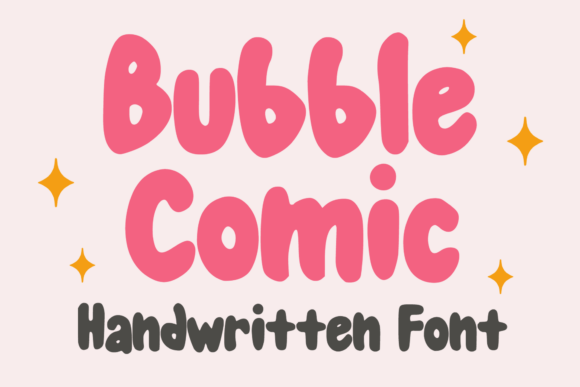
Bubble Comic is more than just a typeface—it's a celebration of whimsy and expression rooted in the vibrant world of comics and animations. Its design language draws heavily from the lively, exaggerated letterforms often seen in speech bubbles and comic book titles. The font's rounded edges and bouncy contours evoke a sense of joy and accessibility, making it a favorite among designers who want to infuse personality into their work.
Unlike rigid, formal fonts, Bubble Comic embraces a handcrafted aesthetic. Each character is carefully shaped to maintain visual harmony while retaining a sense of spontaneity. This gives the font a distinctive charm that resonates well with audiences across age groups and industries.
Distinctive Characteristics of Bubble Comic
At first glance, Bubble Comic stands out due to its soft, rounded shapes and generous spacing. These design choices contribute to its high legibility, even at smaller sizes. Let’s explore some of its key features:
- Round, Bubbly Strokes: The font's signature trait is its smooth, inflated contours that mimic the look of inked balloons.
- Handcrafted Feel: Each letter appears as though it was drawn by a skilled illustrator, giving text a personal, human touch.
- Consistent Visual Weight: Despite its playful nature, Bubble Comic maintains a balanced structure, ensuring clarity and readability in various contexts.
- Versatile Styling Options: Available in multiple weights and styles, it adapts easily to different design needs—from bold headlines to subtle subtext.
Why Bubble Comic Works Across Multiple Industries
One of the most compelling aspects of Bubble Comic is its wide-ranging applicability. It transcends the boundaries of traditional font categorization, making it a go-to choice for a variety of creative applications:
Graphic Design and Branding
In the realm of branding, first impressions matter. Bubble Comic’s friendly yet bold presence makes it ideal for crafting logos, brand slogans, and packaging labels that stand out. Whether used for a children’s toy line or a quirky coffee shop, this font communicates warmth and approachability.
Merchandise and Apparel Design
From custom t-shirts to novelty stickers, Bubble Comic brings a sense of fun and individuality. Designers often pair it with bold colors and playful illustrations to create eye-catching merchandise that resonates with younger audiences and pop culture enthusiasts.
Editorial and Publishing
For book covers, magazine layouts, or comic anthologies, Bubble Comic can serve as an expressive title font. Its comic-inspired roots make it especially effective in genres like humor, fantasy, and graphic novels. It helps set the tone and gives readers a visual cue about the content’s tone and style.
Animation and Illustration
Animators and illustrators frequently use Bubble Comic in storyboards, character dialogue, and on-screen text. Its legibility and expressive nature ensure that text elements remain clear and emotionally resonant, even in fast-paced visual sequences.
Practical Tips for Using Bubble Comic Effectively
While Bubble Comic is inherently versatile, using it effectively requires some thoughtful design decisions. Here are a few best practices to keep in mind:
- Pair with Complementary Fonts: To avoid visual clutter, pair Bubble Comic with simpler, sans-serif fonts for body text or secondary information.
- Use in Limited Quantities: Due to its strong visual presence, it's best used for headings, titles, and short phrases rather than long paragraphs.
- Consider Color and Contrast: For maximum impact, use Bubble Comic with high-contrast color schemes—think bright letters on a dark background or vice versa.
- Test Across Devices: Always preview how the font looks on different screens and print materials to ensure consistency and clarity.
Real-World Examples of Bubble Comic in Action
Designers around the world have embraced Bubble Comic for its expressive potential. Here are a few notable examples of its use in real projects:
- Comic Book Titles: Many independent comic creators use Bubble Comic to craft engaging titles that immediately convey the tone of their stories.
- Children's Book Covers: Publishers often select Bubble Comic for picture books and educational materials aimed at young readers due to its readability and cheerful appearance.
- Event Posters: Music festivals, school plays, and community events use the font to create vibrant, attention-grabbing posters that feel energetic and inviting.
- Brand Mascot Dialogues: Brands with cartoon mascots frequently use Bubble Comic in speech bubbles to enhance character personality and engagement.
Comparing Bubble Comic with Similar Fonts
While Bubble Comic has a unique identity, it's often compared to other playful, rounded fonts like Comic Sans MS, Fredoka One, and Baloo. However, Bubble Comic distinguishes itself with a more refined structure and a hand-drawn authenticity that feels less generic than its counterparts.
Comic Sans, for example, is widely criticized for its informal and sometimes unprofessional appearance. Bubble Comic, by contrast, manages to maintain a balance between fun and polish, making it suitable for a broader range of professional uses.
Accessibility and Readability Considerations
Despite its whimsical design, Bubble Comic holds up well in terms of readability. Its clear letterforms and open spacing ensure that text remains legible even in less-than-ideal conditions. However, designers should avoid using it in situations where formal tone or precise legibility is critical, such as legal documents or academic papers.
For digital interfaces, it’s important to test Bubble Comic at various screen resolutions and sizes. While it performs admirably in titles and buttons, it may not be the best choice for long-form digital content.
Integrating Bubble Comic into Your Design Workflow
Incorporating Bubble Comic into your design projects is straightforward. Most modern design tools—such as Adobe Illustrator, Photoshop, Figma, and Canva—support it either natively or through downloadable font files. Here’s how to make the most of it:
- Download and Install: Obtain the font from a reputable source and install it on your system for use across design applications.
- Use in Mockups: Apply Bubble Comic to mockups for t-shirts, stickers, and packaging to visualize how it interacts with other design elements.
- Export Correctly: When sharing files or exporting for print or web, ensure the font is either embedded or converted to outlines to maintain consistency across devices.
Final Thoughts on Bubble Comic
Bubble Comic is more than a font—it's a design tool that bridges the gap between creativity and communication. Whether you're a professional designer, a hobbyist, or a business owner looking to refresh your brand, Bubble Comic offers a unique blend of style and functionality.
Its roots in the comic and animation world give it a nostalgic yet contemporary edge, making it a valuable asset in today’s design landscape. By understanding its strengths and limitations, you can harness the full potential of Bubble Comic to create engaging, memorable visual experiences.